What is TReDS? How it works?
What is TReDS? How it works?
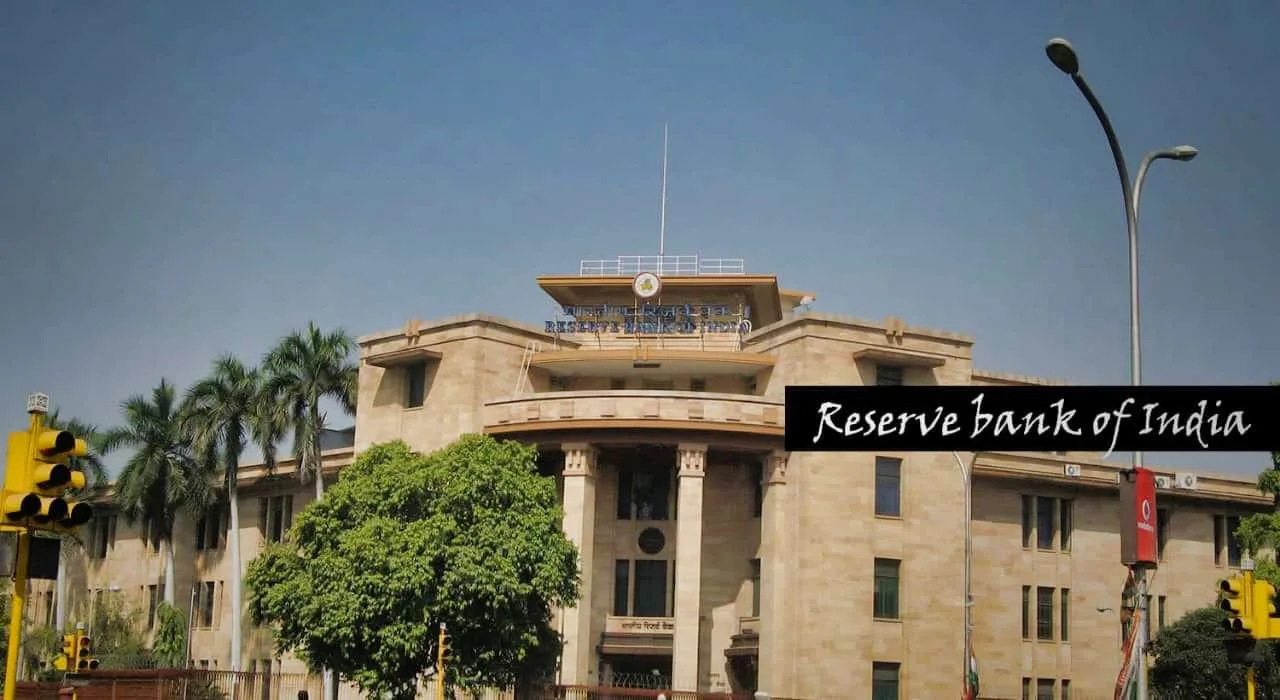
TReDS stands for Trade Receivables Discounting System. It is an electronic platform for facilitating the financing of trade receivables of Micro, Small and Medium Enterprises (MSMEs) through multiple financiers. TReDS was introduced by the Reserve Bank of India (RBI) to improve the flow of funds to MSMEs by reducing the receivables realization cycles.
TReDS stands for Trade Receivables Discounting System. It is an electronic platform for facilitating the financing of trade receivables of Micro, Small and Medium Enterprises (MSMEs) through multiple financiers. TReDS was introduced by the Reserve Bank of India (RBI) to improve the flow of funds to MSMEs by reducing the receivables realization cycles. Here's how TReDS works in 5 steps:
Step # 1 - Invoice Upload:
The MSME supplier uploads the invoice on the TReDS platform. The invoice is then sent to the buyer for acceptance.
Step # 2 - Invoice Acceptance:
The buyer accepts the invoice on the TReDS platform, which is then considered as a "factoring unit".
Step # 3 - Auction:
The factoring unit is then auctioned on the TReDS platform for financiers to bid. The financiers can bid based on their risk assessment of the buyer and supplier.
Step # 4 - Financing:
The MSME supplier can choose the best bid and the invoice is then discounted by the financier. The funds are transferred to the supplier's account, providing them with the necessary working capital. Step # 5 - Repayment:
On the due date, the buyer pays the financier the invoice amount. This completes the transaction.
The main advantage: The main advantage of TReDS is that it allows MSMEs to obtain finance quickly and at competitive rates, thereby helping them manage their working capital needs more efficiently. It also provides financiers with a new asset class for investment.
×