Full News
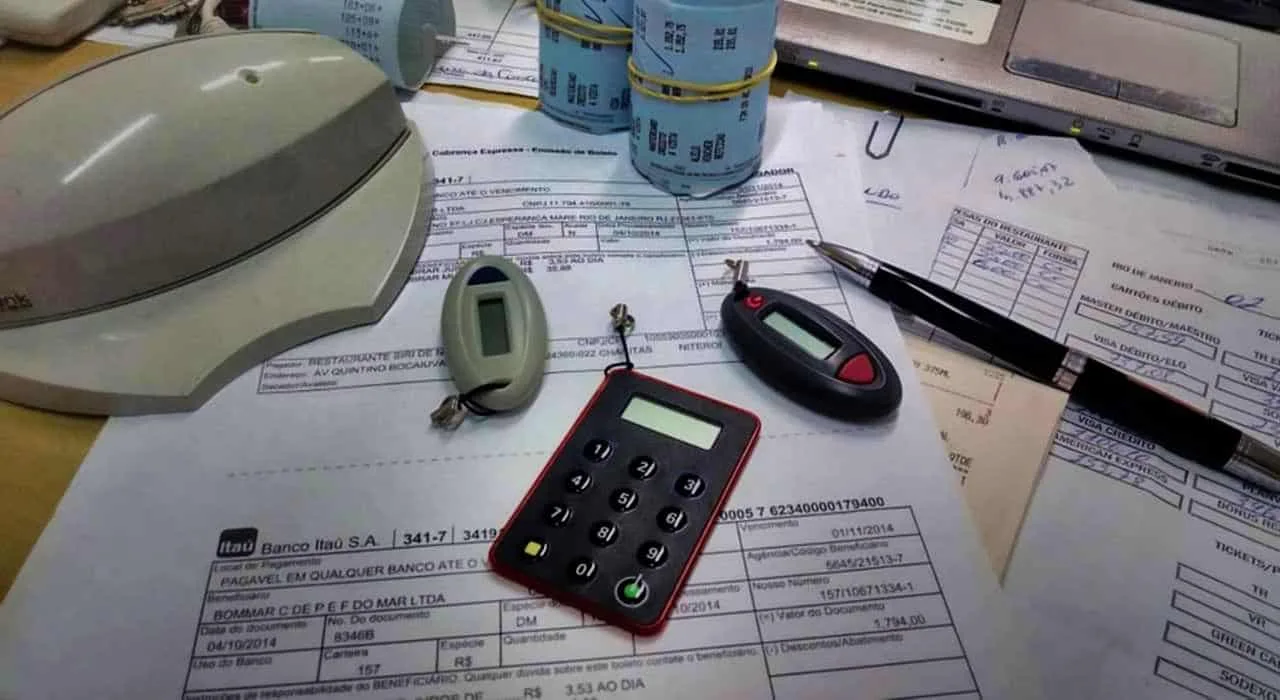
Anticipatory Bail Confirmed for Accused in Parbhani Fraud Case
Anticipatory Bail Confirmed for Accused in Parbhani Fraud Case
This case involves Sandip Yashwant Jagdale and Pankaj Rajaram Shinde, who sought anticipatory bail after being accused of serious financial crimes in Parbhani, Maharashtra. The Bombay High Court confirmed their interim protection from arrest, noting that a co-accused with a similar role had already been granted bail. The court imposed strict conditions on the applicants while allowing the bail.
Get the full picture - access the original judgement of the court order here
Case Name
Sandip Yashwant Jagdale & Pankaj Rajaram Shinde vs. The State of Maharashtra (High Court of Judicature at Bombay, Bench at Aurangabad)
Anticipatory Bail Application No. 1702 of 2024
Date: 3rd March 2025
Key Takeaways
- Anticipatory bail was confirmed for the applicants, meaning they cannot be arrested in this case as long as they follow the court’s conditions.
- The court relied on its earlier order granting bail to a co-accused with an identical role.
- The applicants must cooperate with the investigation, regularly report to the police, and not tamper with evidence or influence witnesses.
- The order is specific to the bail application and does not affect the ongoing trial or its outcome.
- The case involves serious charges under multiple sections of the Indian Penal Code (IPC), the Maharashtra Protection of Interest of Depositors (MPID) Act, and the Reserve Bank of India Act.
Issue
Should the applicants, accused of financial fraud and related offenses, be granted anticipatory bail given that a co-accused with a similar role has already received such relief?
Facts
- Who’s involved?
- Sandip Yashwant Jagdale and Pankaj Rajaram Shinde (applicants) vs. The State of Maharashtra.
- What happened?
- The applicants feared arrest in connection with Crime No. 0447/2021, registered at Nava Mondha Police Station, Parbhani.
- What are the charges?
- They are accused under IPC Sections 420 (cheating), 406 (criminal breach of trust), 409 (criminal breach of trust by public servant), 465, 466, 467, 468, 471 (all related to forgery), 120-B (criminal conspiracy), 34 (common intention), Sections 3 and 4 of the MPID Act, 1999, and Section 58-B of the Reserve Bank of India Act.
- Timeline:
- The co-accused, Nanasaheb Chabu Chavan, was granted anticipatory bail on 11 July 2024.
- The applicants had previously been arrested in other cases but were granted regular bail after investigation.
- Interim protection from arrest was granted to the applicants on 18 October 2024, which is now confirmed by this order.
Arguments
Applicants’ Side
- The applicants argued that their role in the alleged crime is identical to that of the co-accused, Nanasaheb Chabu Chavan, who has already been granted anticipatory bail.
- They highlighted their cooperation in previous investigations and the fact that they were granted regular bail in other cases.
State’s Side
- The State, represented by the Additional Public Prosecutor, opposed the bail but the court’s order does not detail the specific arguments made by the prosecution.
Key Legal Precedents
- The court specifically referenced its own earlier order dated 11 July 2024 in Anticipatory Bail Application No. 870/2024, where anticipatory bail was granted to co-accused Nanasaheb Chabu Chavan, whose role was found to be identical to the present applicants.
- The court also referenced the relevant statutory provisions:
- Indian Penal Code: Sections 420, 406, 409, 465, 466, 467, 468, 471, 120-B, 34
- MPID Act, 1999: Sections 3 and 4
- Reserve Bank of India Act: Section 58-B
Judgement
- Decision:
- The High Court confirmed the interim anticipatory bail for the applicants, meaning they cannot be arrested in this case as long as they comply with the conditions set by the court.
- Conditions imposed:
- The applicants must attend the concerned police station every Monday and Saturday between 11:00 a.m. and 2:00 p.m. until the charge sheet is filed.
- They must submit their passports (if not already submitted in another case).
- They must provide address proof and a cell phone number, and notify the court and investigating officer if the number changes.
- They must not tamper with evidence or influence witnesses.
- They must cooperate with the investigation and court proceedings.
- Warning:
- If any condition is violated, the bail can be cancelled.
- Clarification:
- The court emphasized that its observations are limited to the bail application and should not influence the trial court’s decision on the merits of the case.
FAQs
Q1: What is anticipatory bail?
A: It’s a legal provision that allows a person to seek bail in anticipation of being arrested for a non-bailable offense.
Q2: Why did the court grant bail in this case?
A: The court noted that a co-accused with an identical role had already been granted bail, and there was no reason to treat the applicants differently.
Q3: What happens if the applicants violate the bail conditions?
A: The anticipatory bail can be cancelled, and they may be arrested.
Q4: Does this order mean the applicants are acquitted?
A: No, this order only protects them from arrest during the investigation and trial. The trial will proceed independently.
Q5: What are the main charges against the applicants?
A: They face charges of cheating, criminal breach of trust, forgery, criminal conspiracy, and violations under the MPID Act and RBI Act.
Q6: Can the trial court ignore this order?
A: The trial court is not bound by the observations in this bail order and will decide the case on its own merits.
×